A Jewish community existed in Gorki from 1643. In 1648 Gorki Jews suffered greatly from the pogroms carried out by the troops of Chmielnitsky. In 1920, in the course of the Soviet-Polish war, there was another pogrom in Gorki. During the Soviet period Gorki had a seven-year Yiddish school and a Jewish department in the local agricultural institute; both were closed at the end of the 1930s. In 1939 the town had 2,031 Jews, who comprised 16.3 percent of the total population. A small number of Polish Jewish refugees fled to Gorki after Germany invaded Poland. After the beginning of the German invasion of the Soviet Union, a number of Jews from Leningrad, Mogilev, and other places arrived in Gorki. Before the town was occupied on July 12, 1941, a few Jews succeeded in leaving. Soon after the start of the occupation, discrimination against Gorki Jews began and they were concentrated in a local ghetto. On October 6, 1941 most of the Jews of the town and from the surrounding area were taken and shot near Gorki. Gorki was liberated by the Red Army on July 26, 1944.
Gorki
Gorki District
Mogilev Region
Belorussia (USSR) (today Horki
Belarus)
54.286;30.986
Photos
Victims' Names
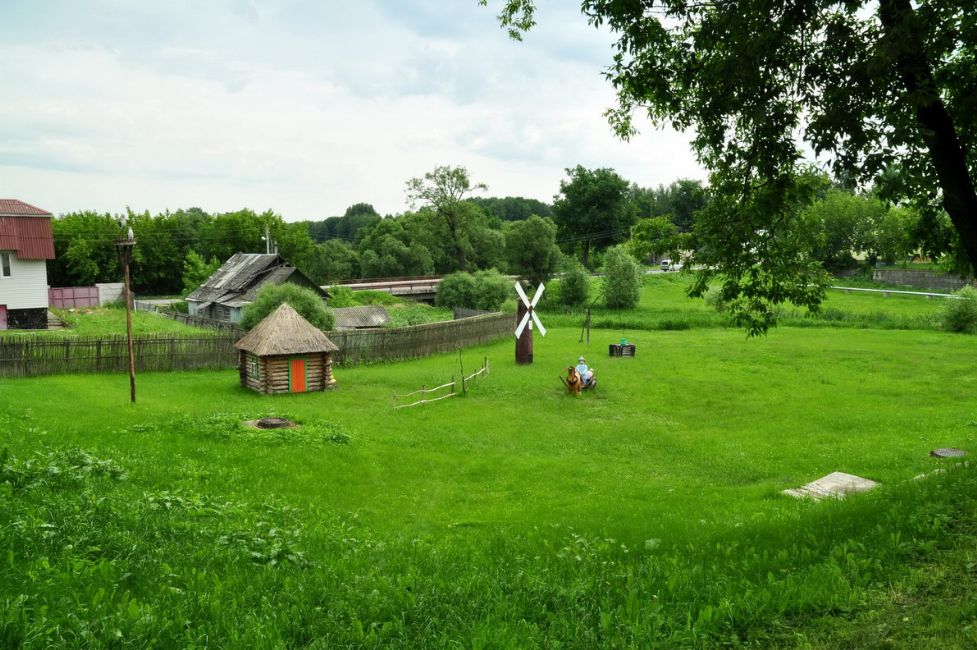
Area of the former Gorki ghetto. Photographer: Alexander Litin, 2009.