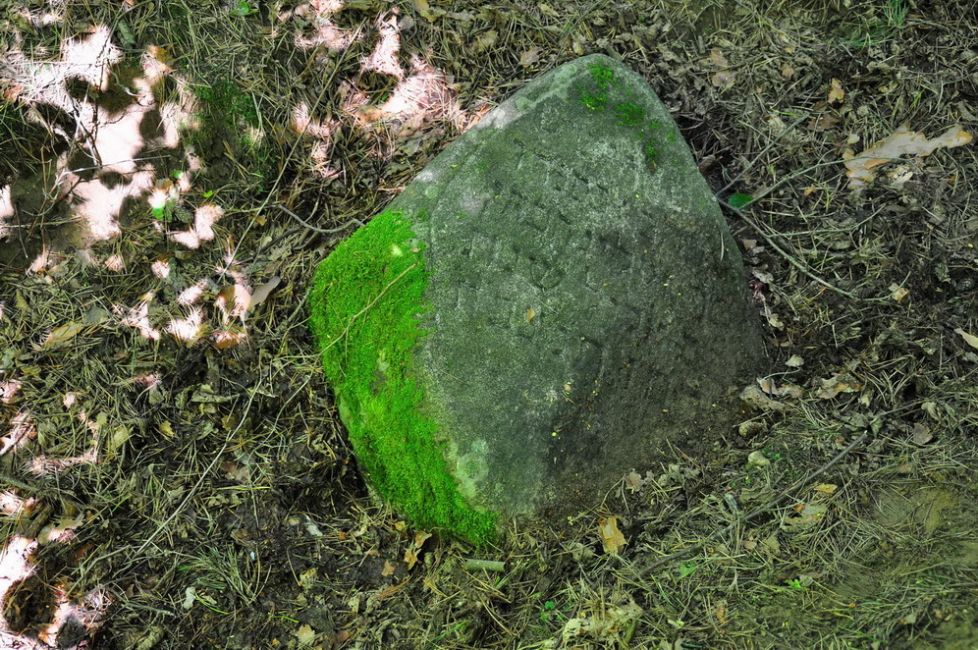
Jews lived in Lyubonichi from the early 19th century. In 1897 all of the 506 inhabitants were Jewish, many of them small-scale traders or craftsmen.
In March 1920 Polish troops stationed in Lyubonichi staged a pogrom, stealing money from the Jews and wounding several of them.
During the Soviet period many young Jews left Lyubonichi for larger towns and cities; only 42 Jewish families remained on the eve of the war. Until the mid-1930s there was a Yiddish elementary school.
After the Germans invaded Poland in September 1939, a number of Polish-Jewish refugees arrived in Lyubonichi. No Jews succeeded in fleeing Lyubonichi before the German occupied Lyubonichi in early August 1941.
The Jews of Lyubonichi were murdered in two operations. The first was carried out in November (August, according to other sources) 1941, when the Jewish men were murdered, and the second, about a month later, when the Jewish women and children were shot.
Seven young Jews from Lyubonichi escaped to the forests, but when they returned to the village some days later, they were caught by local Belarusians, brought to Kirovsk and, then, murdered there.
The Red Army liberated Lyubonichi on June 28, 1944.
Lyubonichi
Kirovsk District
Mogilev Region
Belorussia (USSR) (today Lyubonichy
Belarus)
53.275;29.238
Photos
Victims' Names
Last remnant of Jewish life in Lyubonichi: a tombstone from the former Jewish cemetery. Photographer: Alexander Litin, 2009.